
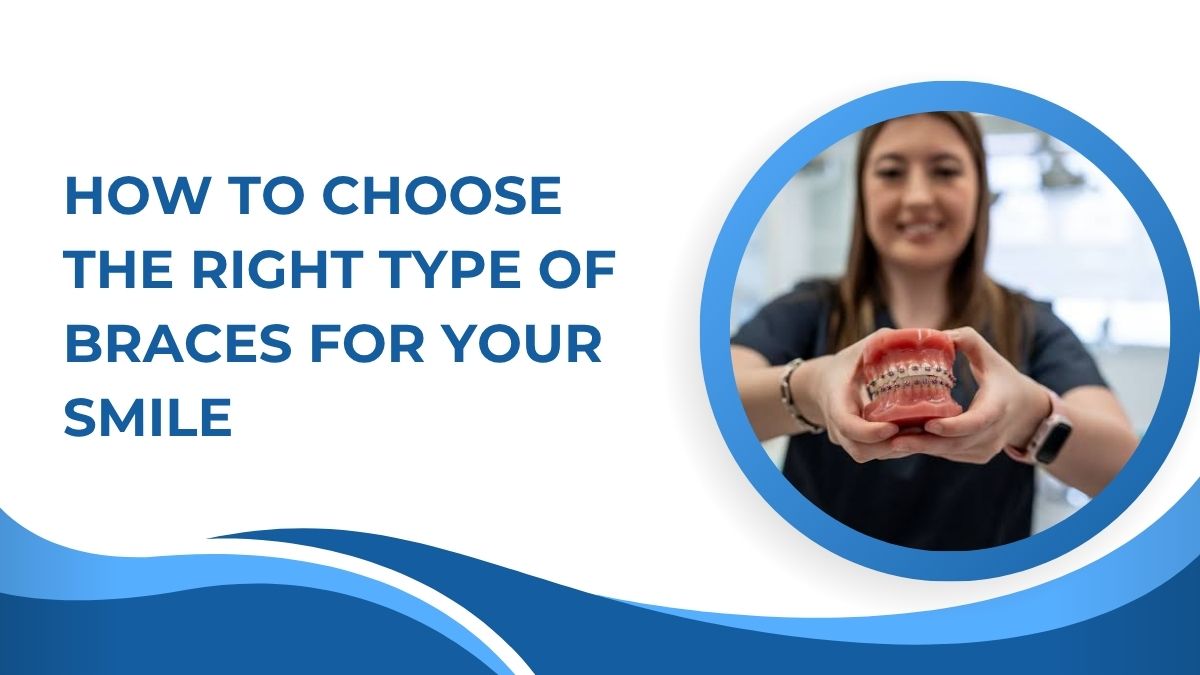
A straight, healthy smile is about much more than appearance. Properly aligned teeth improve chewing, speech, oral hygiene, and long-term dental health. Modern orthodontics offers several treatment options, making it easier than ever to achieve your dream smile.
However, with so many choices available—from traditional metal braces to nearly invisible clear aligners—many people wonder:
“Which type of braces is right for me?”
The answer depends on several factors, including your dental condition, age, lifestyle, treatment goals, and budget.
In this guide, we’ll help you understand the different types of braces and how to choose the best option for your smile.
Why Choosing the Right Braces Matters
Every smile is unique.
Some patients have mild crowding, while others may require correction for severe bite problems or jaw alignment issues.
Choosing the appropriate orthodontic treatment can provide:
- Faster treatment results
- Better comfort
- Improved aesthetics
- Easier oral hygiene
- Long-lasting outcomes
- Greater confidence throughout treatment
An experienced orthodontist will recommend the most effective treatment based on your individual needs.
Common Dental Problems Braces Can Correct
Braces are designed to treat many orthodontic concerns, including:
- Crooked teeth
- Crowded teeth
- Gaps between teeth
- Overbite
- Underbite
- Crossbite
- Open bite
- Rotated teeth
- Misaligned jaw
- Uneven spacing
Early treatment often simplifies correction, but braces can be effective for both teenagers and adults.
Types of Braces Available
1. Traditional Metal Braces
Metal braces are the most commonly used orthodontic treatment worldwide.
They consist of stainless-steel brackets attached to the teeth and connected by an archwire that gradually moves teeth into proper alignment.
Best For
- Moderate to severe misalignment
- Bite correction
- Teenagers
- Complex orthodontic cases
Advantages
- Highly effective
- Durable
- Cost-effective
- Suitable for all age groups
- Shorter treatment time in many complex cases
Considerations
- More noticeable than other options
- May cause mild discomfort after adjustments
2. Ceramic Braces
Ceramic braces work similarly to metal braces but use tooth-colored or clear brackets, making them less noticeable.
Best For
- Adults
- Older teenagers
- Patients seeking a discreet appearance
Advantages
- Blend with natural teeth
- Effective for many orthodontic problems
- Less visible
Considerations
- Slightly more expensive
- Brackets may stain without proper care
- More delicate than metal braces
3. Lingual Braces
Lingual braces are placed behind the teeth, making them virtually invisible from the front.
Best For
- Professionals
- Adults
- Patients concerned about aesthetics
Advantages
- Completely hidden
- Effective for complex tooth movement
- Customized treatment
Considerations
- Higher cost
- Longer adjustment period
- May temporarily affect speech
- More difficult to clean
4. Clear Aligners
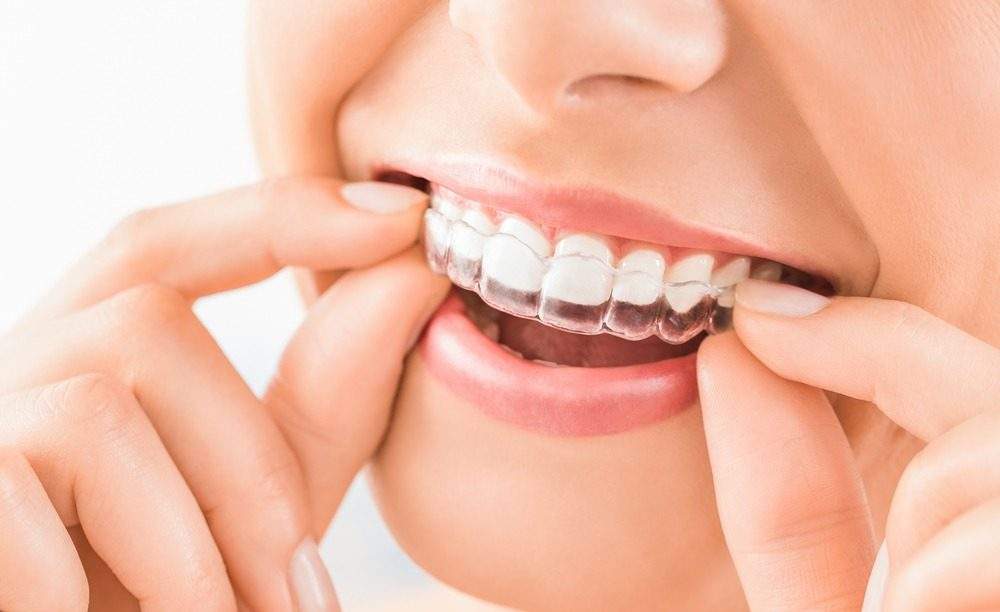
Clear aligners use removable, transparent trays that gradually shift teeth into alignment.
Patients wear each aligner for approximately 1–2 weeks before switching to the next set.
Best For
- Mild to moderate alignment issues
- Adults
- Responsible teenagers
Advantages
- Nearly invisible
- Removable while eating
- Easier brushing and flossing
- Comfortable with no metal wires
Considerations
- Must be worn 20–22 hours daily
- Not suitable for every complex case
- Requires patient compliance
Comparison of Different Types of Braces
| Feature | Metal Braces | Ceramic Braces | Lingual Braces | Clear Aligners |
|---|---|---|---|---|
| Visibility | High | Low | Hidden | Nearly Invisible |
| Comfort | Moderate | Moderate | Moderate | High |
| Removable | No | No | No | Yes |
| Best for Complex Cases | Excellent | Excellent | Excellent | Mild to Moderate |
| Cost | Lowest | Moderate | Highest | Moderate to High |
| Oral Hygiene | Moderate | Moderate | More Challenging | Easier |
Factors to Consider Before Choosing Braces
1. Severity of Your Dental Problem
The complexity of your orthodontic issue plays the biggest role.
Patients with severe crowding, bite issues, or jaw problems may benefit more from traditional braces than clear aligners.
2. Your Age
Children
Early orthodontic evaluation can prevent future complications.
Teenagers
Most treatment options are suitable.
Adults
Many adults prefer ceramic braces, lingual braces, or clear aligners because they are less noticeable.
3. Lifestyle
Ask yourself:
- Do you attend frequent meetings?
- Do you play sports?
- Do you travel often?
- Are you disciplined enough to wear removable aligners?
Lifestyle influences which treatment is most practical.
4. Appearance
If aesthetics are important, consider:
- Ceramic braces
- Lingual braces
- Clear aligners
These options offer a more discreet appearance during treatment.
5. Budget
Treatment costs vary depending on:
- Type of braces
- Complexity
- Treatment duration
- Technology used
- Location of the dental clinic
Your orthodontist can recommend the most suitable option within your budget.
6. Treatment Time
Some treatments may be faster depending on your case.
Average treatment duration:
- Mild cases: 6–12 months
- Moderate cases: 12–18 months
- Complex cases: 18–30 months
Consistent follow-up appointments help achieve the best results.
Are Clear Aligners Better Than Braces?
There is no single “best” option.
Clear Aligners are ideal if you:
- Want an almost invisible treatment
- Have mild to moderate alignment issues
- Can wear aligners consistently
- Prefer removable appliances
Traditional Braces are ideal if you:
- Have severe crowding
- Need bite correction
- Want predictable tooth movement
- Prefer a fixed appliance
Your orthodontist will determine which treatment provides the safest and most effective results.
Questions to Ask Your Orthodontist
Before beginning treatment, consider asking:
- Which type of braces is best for my case?
- How long will treatment take?
- Will I need tooth extractions?
- How often are follow-up visits?
- What foods should I avoid?
- How should I clean my braces?
- Will I need retainers after treatment?
- What are the total treatment costs?
Tips for Caring for Braces
Proper care helps ensure successful treatment.
Maintain Excellent Oral Hygiene
Brush after every meal.
Floss daily using orthodontic floss or water flossers.
Avoid Hard Foods
Limit:
- Ice
- Hard candies
- Popcorn
- Nuts
- Sticky sweets
These foods can damage brackets or wires.
Attend Every Appointment
Regular adjustments keep treatment progressing on schedule.
Wear Elastics as Directed
If prescribed, wear rubber bands consistently to improve bite correction.
Caring for Clear Aligners
If you choose clear aligners:
- Wear them 20–22 hours daily.
- Remove them while eating.
- Clean aligners every day.
- Store them safely in their protective case.
- Switch trays according to your orthodontist’s instructions.
Life After Braces
Completing orthodontic treatment is an exciting milestone, but maintaining your results is equally important.
After braces are removed, most patients need retainers to prevent teeth from shifting back.
Depending on your case, your orthodontist may recommend:
- Removable retainers
- Fixed (bonded) retainers
- Night-time retainer wear
Following retainer instructions helps preserve your new smile for years to come.
Benefits of Orthodontic Treatment

Straight teeth provide benefits beyond aesthetics.
Orthodontic treatment can:
- Improve oral hygiene
- Reduce the risk of tooth decay and gum disease
- Enhance chewing efficiency
- Improve speech in some cases
- Reduce uneven tooth wear
- Correct bite problems
- Boost self-confidence
- Support long-term oral health
Why Professional Orthodontic Consultation Matters
Choosing braces isn’t just about appearance. It involves a detailed evaluation of your teeth, gums, jaw alignment, bite, and overall oral health.
An orthodontist may use:
- Digital X-rays
- Intraoral scans
- Clinical photographs
- Bite analysis
- Treatment simulations
Based on these findings, a personalized treatment plan is created to achieve the best possible outcome.
Conclusion
Selecting the right braces is an important step toward achieving a healthier, more confident smile. Whether you choose traditional metal braces, ceramic braces, lingual braces, or clear aligners, the best option depends on your dental needs, lifestyle, treatment goals, and budget.
A comprehensive consultation with an experienced orthodontist can help you understand your options and create a personalized treatment plan. With the right approach and consistent care, you’ll be on your way to enjoying a straighter smile and improved oral health for years to come.
Frequently Asked Questions
Which braces work the fastest?
Treatment time depends on the complexity of the case rather than the type of braces. Traditional braces are often preferred for complex corrections due to their precise control.
Are braces painful?
You may experience mild discomfort for a few days after placement or adjustments, but it usually subsides quickly.
Can adults get braces?
Yes. Orthodontic treatment is effective at any age, provided your teeth and gums are healthy.
Which braces are least visible?
Lingual braces are hidden behind the teeth, while clear aligners and ceramic braces are also popular discreet options.
How often do I need orthodontic visits?
Most patients visit their orthodontist every 4–8 weeks, depending on the treatment plan.